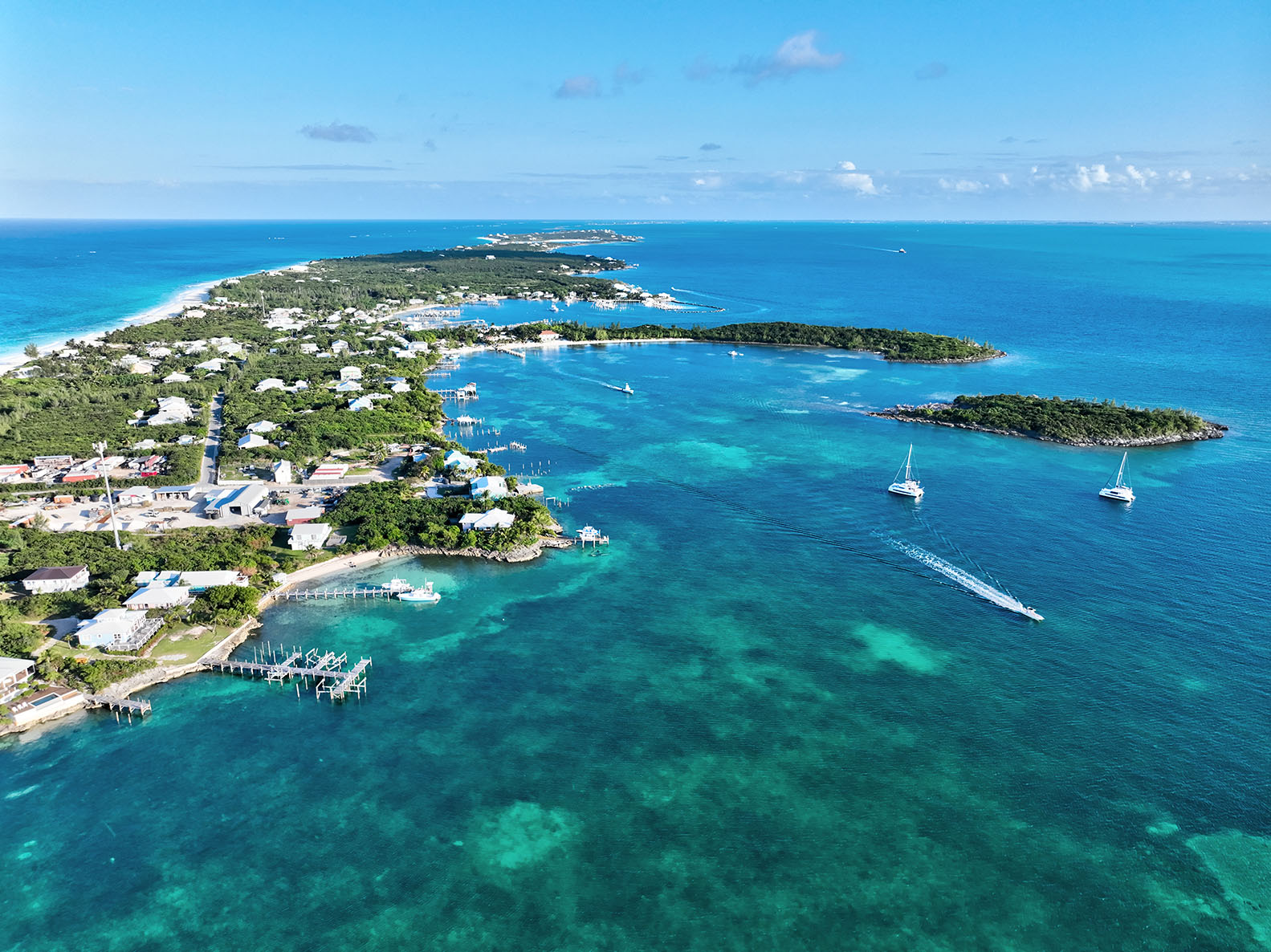
History
The first known people to inhabit the Abaco Islands were the Lucayans, a branch of the Taíno people who migrated from Cuba and Hispaniola around 700 AD. They survived by farming, expert fishing, and navigating the surrounding shallow banks. In 1500, a map created by Italian cartographer Juan de la Cosa first identified the islands under the name Habacoa. Following European contact, the Spanish aggressively captured the Lucayans to use as slave labor in Hispaniola mines. Due to forced enslavement and European diseases, the indigenous population was completely wiped out from the islands by 1520, leaving Abaco largely uninhabited for over a century.
During the late 1600s and early 1700s, the shallow waters, hidden cays, and protected harbors of Abaco became a favorite base for pirates and buccaneers. Outlaws utilized the hidden networks of islands to ambush merchant shipping vessels navigating Caribbean trade routes. The golden age of piracy in the region effectively concluded by the late 1720s, when the first Royal Governor of the Bahamas, Woodes Rogers, aggressively suppressed the privateers.
Permanent European settlement began after the American Revolutionary War. Between 1783 and 1788, approximately 1,500 British Loyalists fled the newly independent United States to start a new life under the British Crown. The Loyalists founded their initial town, Carleton, near modern-day Treasure Cay, before expanding into Marsh Harbour and the outer cays. The settlers attempted to establish large-scale cotton plantations. However, the thin subtropical soil quickly degraded, and severe boll weevil infestations ruined the crops.
When agricultural efforts failed, the residents of Abaco turned entirely to the sea. For the next century, the islands thrived on a maritime economy driven by wrecking, boat building, pine logging, etc. In the twentieth century, Abaco emerged as a world-renowned destination for tourism and yachting, earning the nickname “the sailing capital of the world”. Major developments such as Treasure Cay, Winding Bay, Baker’s Bay and more were constructed and the island is now one of the largest economic powerhouses in the Bahamas.
How To Get To Abaco
Abaco has several airports/runways: the main airport Leonard Thompson International in Marsh Harbour, a less erviced airport in Treasure Cay, and smaller runways in Sandy Point and Scotland Cay. The national aircarrier of the Bahamas, Bahamasair, Western Air, American Airlines, and others all service Marsh Harbour. Arrival by boat is also an option, with customs available in many marinas across the island.
Where To Stay
Abaco Tours & Activities has the perfect vacation rental package for those looking to stay in Treasure Cay. Other vacation rentals are available on AirBnB and VRBO, in addition to resort options such as Bahama Beach Club. Other options include Abaco Beach Resort in Marsh Harbour, Abaco Inn & Sunset Point in Elbow Cay, Bluff House in Green Turtle Cay and more.
Transportation
Abaco has a large selection of transportation options. There are several car rental agencies on the main land, with golf cart rentals servicing the outlying cays and smaller communities. Taxis are also available. There is also a large selection of boat rentals for water travels.
G&L Ferries has regularly scheduled runs to Elbow Cay, Man-O-War Cay, Guana Cay, and Scotland Cay out of Marsh Harbour. Green Turtle Cay Ferry operates service into Green Turtle Cay from the dock near Treasure Cay. Both ferry companies can also charter upon request.
When is the best time to travel to the island?
Abaco has distinct busy and slow seasons. Spring Break, Summer, and Thanksgiving – Christmas season are always very busy times of year. September until mid October is generally the “slow” season where many businesses close doors until visitor numbers pick up. The best time to travel to Abaco is the one you want to; some people like the peace and quiet of the slow season while some love the party atmosphere of the peak tourism months.